AAA (pronounced and sometimes written Triple-A) is an informal classification used for video games produced and distributed by a mid-sized or major publisher, typically having higher development and marketing budgets. AAA is analogous to the film industry term 'blockbuster'.[1]
But bother not; the special magic skills can help you get the better of your rival and even save the kingdom from annihilation.Card-Based Strategy Games 16. The game, which features cards based on characters from the World of Warcraft universe, has been developed by Blizzard and supports cross-platform play. HearthstoneIf you’re a fan of card-based strategy game then you should definitely give Hearthstone a shot. Much like other card-based strategy games, the game utilizes a turn-based mechanism in which two opponents compete with each other using their decks of 30 cards along with a selected hero.Unlike other Blizzard games on this list, which are free to a certain extent, Hearthstone is completely free on all platforms and you can easily transition between your Windows, Mac, iOS or Android device using the same profile. Best game for mac free. It demands you to be great in multiple aspects like building, researching, trading, and of course fighting.
This enables users of all ages to simply modify their creations by manipulating visual objects and connections between them. Roblox mac 2 game clients.
Jun 20, 2019 Download AAA Mobile for PC/Mac/Windows 7,8,10 and have the fun experience of using the smartphone Apps on Desktop or personal computers. New and rising App, AAA Mobile developed by AAANational for Android is available for free in the Play Store. AAA Mobile has the latest version of 4.1.10hf which was updated last on 14.01.19. Before we move toward.
In the mid 2010s, the term 'AAA+' began to be used to describe AAA type games that generated additional revenue over time in a similar fashion to MMOs by using software as a service (SaaS) methods, such as season passes or expansion packs. The similar construction 'III' (Triple-I) has also been used to describe indie game companies' works of very high production values.
History[edit]
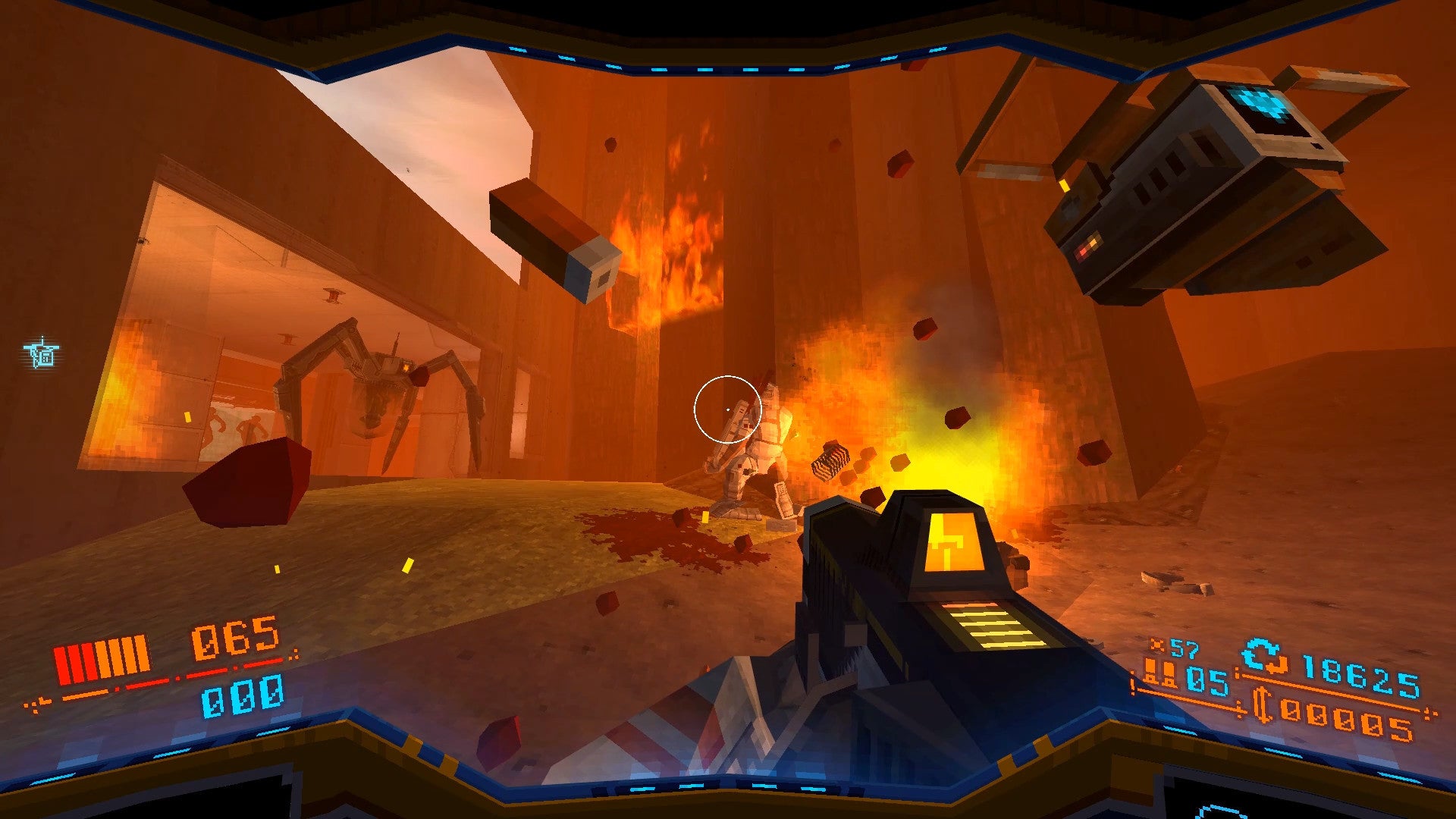
The term 'AAA' began to be used in the late 1990s, when some development companies started using the expression at gaming conventions in the US.[2]
Air traffic games. One of the first video games to be made at a blockbuster (AAA) scale was Final Fantasy VII (1997),[3] which cost an estimated $40–45 million (inflation adjusted $64–72 million) to develop,[4][5] making it the most expensive video game ever produced up until then, with its unprecedented cinematicCGI production values, movie-like presentation, orchestral music, and innovative blend of gameplay with dynamic cinematic camerawork.[6] Its expensive advertisement campaign was also unprecedented for a video game,[7] with a combined development and marketing budget estimated to be $80–145 million (inflation adjusted $127–231 million).[8][5]
By the seventh generation of video game consoles (late 2000s), AAA game development on the Xbox 360 or PlayStation 3 game consoles typically cost in the low tens of millions of dollars ($15m to $20m) for a new game, with some sequels having even higher total budgets – for example Halo 3 is estimated to have had a development cost of $30m, and a marketing budget of $40m.[9] According to a whitepaper published for EA games (Dice Europe), the seventh generation saw a contraction in the number of video game developing houses creating AAA level titles, reducing from an estimated 125 to around 25, but with a roughly corresponding fourfold increase in staffing required for game development.[10]
During the seventh generation, AAA (or 'blockbuster') games had marketing at a similar level to high-profile films, with television, billboard and newspaper advertising; a corresponding increasing reliance on sequels, reboots, and similarly franchised IP was also seen, in order to minimize risk. Costs at the end of the generation had risen as high as the hundreds of millions of dollars – the estimated cost of Grand Theft Auto V was approximately $265m. The same conditions also drove the growth of the indie game scene at the other end of the development spectrum, where lower costs enabled innovation and risk-taking.[11]
At around the period of transition from seventh to eighth generation of consoles the cost of AAA development was considered by some to be a threat to the stability of the industry.[12][13] The failure of a single game to meet production costs could lead to the failure of a studio – Radical Entertainment was closed by parent Activision despite selling an estimated 1 million units on console in a short period after release.[12][14] Ubisoft game director Alex Hutchinson described the AAA franchise model as potentially harmful, stating he thought it led to either focus group tested products aimed at maximizing profit, and or a push towards ever higher graphics fidelity and impact at a cost of depth or gameplay.[15]
The eighth generation of video game consoles (PlayStation 4, Xbox One, Wii U) saw further increases in costs and staffing – at Ubisoft, AAA game development involved 400 to 600 persons for open world games, split across multiple locations and countries.[16]
AAA game development has been identified as one environment where crunch time and other working pressures that negatively affect the employees are particularly evident.[17][18]

Related terms[edit]
The console video game industry lacks the equivalent of a B movie, made-for-TV, or direct-to-video scene. Occasionally, however, titles such as Deadly Premonition and Binary Domain have been dubbed 'B games' due to developing a cult following or accruing a significant amount critical praise despite widely acknowledged flaws, with critics often noting that the game's ambitions in the face of budget limitations add to the game's charm, a trait common among B movies. Such games are the exception, and generally games with very low production costs that are not critically well-received are referred to as 'bargain bin' titles.[13]
AAA+[edit]
In general use, the term 'AAA+' (Triple-A-Plus) may refer to a subset of AAA games that are the highest selling or have the highest production values. However, there are at least two more specific meanings.
The first describes AAA games with additional methods of revenue generation, generally through purchases in addition to the cost of the base game.[19] The desire for profitability has caused publishers to look at alternative revenue models, where players continued to contribute revenue after the initial purchase, either by premium models, DLC, online passes, and other forms of subscription.[13] In the mid 2010s large publishers began a focus on games engineered to have a long tail in terms of revenue from individual consumers, similar to the way MMO games generate income – these included those with expansion or season pass content such as with Destiny, Battlefield, and the Call of Duty series; and those which generated revenue from selling in-game items, sometimes purely cosmetic, such as Overwatch or League of Legends.[19] Titles of this type are sometimes referred to as 'AAA+'. In 2016, Gameindustry.biz described AAA+ games as products that 'combine AAA production values and aesthetics with Software as a Service (SaaS) principles to keep players engaged for months or even years'.[20]
III[edit]
'III' (Triple-I) has been used to refer to independently funded ('indie') games that meet an analogous quality level in their field; i.e., indie games that have relatively high budget, scope, and ambition;[21] often the development team includes staff who have experience working on full AAA titles.[22]
Aaa Games On Macbook
Examples of III games include Ancestors: The Humankind Odyssey, Hellblade: Senua's Sacrifice, and The Witness.[22]
See also[edit]
References[edit]
- ^Steinberg, Scott (2007). The definitive Guide: Videogame Marketing and PR (1st ed.). iUniverse. ISBN978-0-59543-371-1.
- ^Demaria, Rusel; Wilson, John (2002). High Score!: The Illustrated History of Electronic Games (1st ed.). McGraw-Hill Osborne Media. ISBN0-07-222428-2.
- ^Parkin, Simon (11 April 2020). 'Final Fantasy VII Remake – a triumphant return for Cloud Strife'. The Guardian. Retrieved 11 April 2020.
- ^'Essential 50: Final Fantasy VII'. 1UP.com. Archived from the original on July 21, 2012. Retrieved April 22, 2013.
- ^ ab'Final Fantasy 7: An oral history'. Polygon. Jan 9, 2017. Retrieved Feb 2, 2018.
- ^Park, Gene (4 April 2020). 'Perfecting Final Fantasy 7′s legacy, as told by its creators'. The Washington Post. Archived from the original on 8 April 2020. Retrieved 9 April 2020.
- ^Packer, Joseph; Stoneman, Ethan (2018). 'Video Games and thye Death-Denying Illusion of Agency'. A Feeling of Wrongness: Pessimistic Rhetoric on the Fringes of Popular Culture. Penn State Press. ISBN978-0-271-08315-5.
- ^Stanton, Rich (June 2, 2013). 'Final Fantasy 7 retrospective'. Eurogamer. Retrieved March 20, 2014.
- ^Zackariasson, Peter; Wilson, Timothy L., eds. (2012). The Video Game Industry: Formation, Present State, and Future. Routledge. p. 4.
- ^Robinson, Andy (4 July 2013), 'Triple-A console studios 'declined by 80% this gen', says EA exec', ComputerAndVideoGames.com, archived from the original on 8 July 2013
- ^'Why video games are so expensive to develop', The Economist, 24 September 2014
- ^ abUsher, William (2012), 'AAA Games Could Lead to Mainstream Crash', CinemaBlend.com
- ^ abc'The State of Games: State of AAA', Polygon.com, 2 July 2012
- ^Usher, William (2012), 'Radical Entertainment Goes Bust; Prototype Franchise Is No More', CinemaBlend.com
- ^Makuch, Eddie (8 March 2012), 'Pursuit of AAA is a 'cancerous growth' – AC3 Dev', GameSpot, archived from the original on 9 March 2012
- ^Weber, Rachel (28 February 2013), 'On Reflections: First interview with the Ubisoft studio's new MD', GamesIndustry.biz
- ^Kerr, Chris (7 October 2016), 'AAA game dev lifestyle is 'unwinnable,' says veteran game designer Amy Hennig', Gamasutra
- ^Strickland, Derek (22 January 2016), 'Ex-Ubisoft dev reveals the grim reality of AAA games development', TweakTown.com
- ^ abFahey, Rob (25 November 2016), 'Weak AAA launches are a precursor to industry transition', GamesIndustry.biz
- ^Fahey, Rob (9 December 2016), 'Final Fantasy XV and The Last Guardian: The Last of their Kind', GamesIndustry.biz
- ^Lemme, Bengt (23 January 2016), 'The Triple-I Revolution', GameReactor.eu
- ^ abHandrahan, Matthew (May 2, 2018). 'An era of 'triple-I' development is almost here'. GamesIndustry.biz. Retrieved November 15, 2019.